Prevention Week.
18-24 May 2026. We’re dedicating a full week to amplify awareness and spark conversation.

Hidden chemicals. Real risks. It's time to act.
This year, Prevention Week is all about EDCs (endocrine disrupting chemicals) the hidden chemicals in everyday products that may be increasing your breast cancer risk.
From 18-24 May 2026, we're dedicating a full week to sharing the science, and giving you the tools to take action. Are you ready to join the prevention movement?
What is Prevention Week?
Every year, Breast Cancer UK dedicates a week to sparking conversation and sharing evidence-based tools that everyone can use to reduce their breast cancer risk.
This year, we're shining a spotlight on EDCs (endocrine disrupting chemicals); harmful chemicals found in cosmetics, food packaging, cleaning products and more, which can interfere with our hormones and may increase breast cancer risk.
Together, we're fighting for a world where everyone has the best possible chance of avoiding preventable breast cancer. But that won't happen without your support.
This year's theme:
EDCs - hidden chemicals, real risks
EDCs are everywhere. In the fragrance listed on your moisturiser. In the lining of your food tin. In the coating on your non-stick pan. Most of us have never heard of them - and that needs to change.
Over seven days, we'll take you on a journey: from understanding what EDCs are, to what you can do about them in your own home - and how you can push for the systemic change the UK urgently needs.
What's happening each day?
- Monday 18 May - What even is an EDC? Discover the term that could change how you see everyday products, and listen to our brand-new podcast episode with expert guest, Professor Stuart Harrad, Environmental Chemist.
- Tuesday 19 May - Why EDCs matter? We'll explore what the research tells us about EDCs and breast cancer risk, with a newly published blog.
- Wednesday 20 May - Your beauty shelf. We'll walk you through the ingredients to look out for in your skincare and cosmetics, and share our downloadable EDC Guide so you can make informed swaps.
- Thursday 21 May - Your kitchen. We'll look at everyday cooking habits and food packaging, bust a few myths, and help you make small changes that add up.
- Friday 22 May - Your body, your hormones. We'll bring together personal stories, new polling data, and expert voices to make the connection between chemicals and breast cancer.
- Saturday 23 May - Take action. We'll show you how to write to your MP and call for stronger UK chemical regulation, because individual action matters, but policy change is essential.
- Sunday 24 May - Small steps, big change. We'll recap the week's key actions, celebrate the community that showed up, and invite you to stay involved (and to keep the pressure on).
Find Season 1 and Season 2 of the 'B Well Podcast' here
Find it on our website or wherever you listen to your podcasts (Apple, Spotify or Amazon Music)
Listen here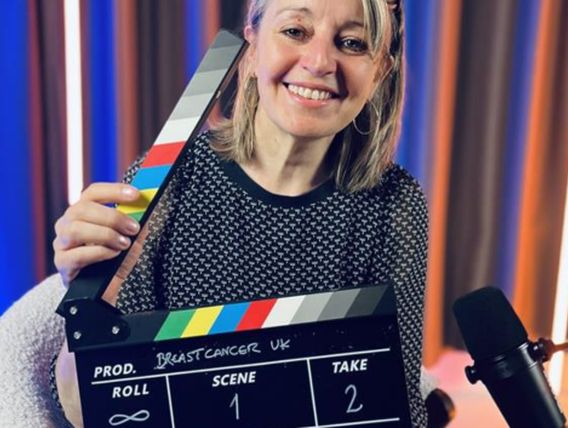
Why this needs to happen now
Cancer touches so many of our lives. Around 1 in 2 of us will develop cancer in our lifetimes. This is not OK.
Prevention has been sidelined for too long. The evidence on EDCs and breast cancer risk is growing but public awareness remains low, UK regulation lags behind the EU, and too many people are exposed to harmful chemicals without even knowing it.
The action we take today could save thousands of lives. But it needs to happen now. It will take a whole movement:
- Scientists pushing research in bold new directions
- campaigners refusing to let breast cancer be normalised
- and supporters like you refusing to stay quiet
We all have a role to play. Prevention Week is where we play it together.
Stay in the loop.
There are plenty of ways to be part of Prevention Week before May, whatever your time, skills, or reach:
- Read, watch, share. Follow our daily content across Instagram, TikTok, Facebook, LinkedIn, and Bluesky. Every share helps us reach someone new.
- Take our Prevention Quiz. Find out your personal risk and get a tailored action plan.
- Donate. Your support powers everything we do, from research into EDCs and breast cancer, to the resources that reach communities across the UK.
