Stop cooking with chemicals: New campaign urges the public to switch out their plastic utensils
Breast Cancer UK is calling on all Brits to make one simple swap and one simple signature this Plastic Free July that will reduce their exposure to potentially harmful chemicals for less than the cost and time required to pick up their morning coffee.

- Written by Breast Cancer UK
- Posted: 2 July 2026
- 2 min read
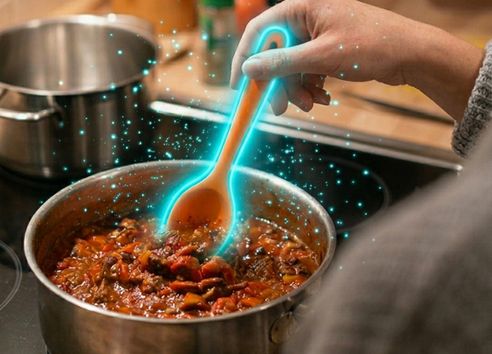
Our kitchens utensils are central to our daily lives, but according to Breast Cancer UK, every time we flip a pancake, whip up a sauce or stir a soup, our plastic spatulas, whisks and spoons could be seasoning our food with a secret, potentially harmful ingredient called EDCs.
EDCs, or Endocrine Disrupting Chemicals, are a group of chemicals hiding in plain sight in our everyday items, from cosmetics and clothes to kitchen essentials. What’s more alarming is that some of these chemicals can mimic or increase the production of oestrogen in the body and have been linked to increased risk of serious illnesses, including breast cancer.
And yet, despite being exposed daily to an invisible cocktail of chemicals from our non-stick pans, our plastic food packaging and even pesticides in the food itself, 7 in 10 Brits are unaware of their existence, and only 1 in 10 associate cookware with their hormonal health.
So what makes plastic utensils particularly problematic? For starters, they have a low melting point; they can crack, warp and chip over time; and the melted or sharp jagged edges can damage non-stick coatings, causing them to shed yet more EDCs into your meal. Breast Cancer UK ambassador, environmental chemist Stuart Harrad, who sits on DEFRA’s Hazardous Substances Advisory Committee, also stresses the significance of temperature:
“Research has shown that every time your hot food or drink comes into contact with a plastic utensil, lid, or cup, the heat may cause more microplastics and EDCs to leach directly into your food. This is concerning from a human health perspective as it increases our consumption of these chemicals, and the extent to which these build up in the body and their consequent effects is hard to measure.”
But according to Dr Hannah Moody, Director of Research and Engagement at Breast Cancer UK, we can all take action in the kitchen thanks to an alternative that’s cheap and accessible:
“By switching from plastic to wooden utensils, we can reduce our chemical load immediately. Wooden utensils don’t break down when we are using them; they are built to last decades. And best of all, they cost you less than your average Americano.”
Small actions like this can make a big impact, as Plastic Free July founder Rebecca Prince-Ruiz can attest:
“Since starting Plastic Free July 15 years ago, we have proven that we can turn everyday choices into long-term changes. Last year, participants together reduced their plastic consumption by 290 million kg. This year, by making simple swaps like switching to switching to wooden utensils or choosing reusable stainless-steel bottles, everyone can help us continue to protect both people and the planet.”
While this swap is an effective first step, the safe option should be the only option, which is why Breast Cancer UK is calling on the UK Government to ban EDCs from our everyday products. The public have already made it clear that they want their health to be a priority: the charity’s recent poll found that two-thirds of Brits believe that businesses have a duty to protect them from EDCs, and that the UK Government should restrict chemicals which have not been thoroughly tested.
Breast Cancer UK CEO Thalie Martini is now urging the public to add their voice to the campaign with the simple act of signing a pledge:
“There is ample evidence to suggest that we should be removing these chemicals from our products until they are proven safe, and we must make it clear that we will not be guinea pigs any longer. With just one signature from every supporter, we can collectively make a stand.”
Find out more about our campiagn, EDCs: Hiding in Plain Sight, here.