Critical windows of susceptibility for breast development review
PDF1.6 MB
DOI No.10.71450/80329044

The normal growth and development of the human body is a critical and highlysensitive process.
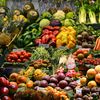
Diet plays an important role in shaping breast cancer risk. Dietary factors may be protective or increase the risk and have long-term effects.
PDF975.7 KB

Leaflet about 'ditching' products that contain harmful chemicals and may increase your risk of breast cancer.
PDF423.7 KB

Flyer about Endocrine Disupting Chemcials and the link between them and breast cancer.
PDF6.8 MB

Background science on why we are asking for a ban on EDCs.

All studies reviewed in this briefing have found a diet high in fibre is linked to a decreased breast cancer risk.

Studies in humans have shown that legacy flame retardants increase breast cancer risk. Polychlorinated biphenyls (PCBs) are associated with increased breast cancer risk.
PDF554.9 KB

Leaflet about the Full Supper Club. Where good cause meets good food. See how we can create lasting impact today.
PDF588.1 KB
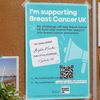
A selection of posters to celebrate your fundraising event or challenge you are doing for Breast Cancer UK. Available in a variety of colours and print friendly version.
PDF670.0 KB

Terms and conditions documents for grant research and placement awards at Breast Cancer UK.
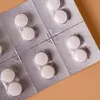
Hormone replacement therapy (HRT) has been associated with an increased risk of developing breast cancer; however, this risk varies according to the type of HRT and duration of use.
PDF66.5 KB
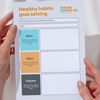
Writing down goals works because it creates clarity and commitment, making them more tangible and easier to achieve.
Showing 12 of 49 results
