Microbiome and breast cancer review
PDF1.0 MB
DOI No.10.71450/56839173
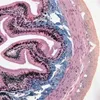
The human microbiome, all the microbes and their genes found in the human body, plays a key role in influencing health and the development of diseases.
PDF1.3 MB

Breast Cancer UK supports the NHS breast screening programme for early detection of breast cancer.
PDF1.8 MB
DOI No.10.71450/42501116

PFAS are found in body fluids and tissues. They are associated with many health problems, including cancer, and may increase breast cancer risk.

Parabens are Endocrine Disrupting Chemicals (EDCs) used as preservatives to stop the growth of microorganisms in cosmetics, personal care products and some processed foods.
PDF183.0 KB

The purpose of this document is to demonstrate how Breast Cancer UK performs peer review of both grant applications and science reviews produced by the charity.
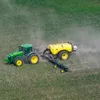
Pesticides are chemicals used in agriculture and residential areas, many of these chemicals act as Endocrine Disrupting Chemicals (EDCs).

Phthalates are a class of Endocrine Disrupting Chemicals (EDCs). These have been proposed to be a risk factor that may contribute to the risk of developing breast cancer.
PDF2.1 MB

Physical activity is associated with a lower risk of breast cancer and breast cancer mortality following a breast cancer diagnosis.
PDF8.4 MB

Protect your baby’s and reduce your exposure to harmful chemicals in the home.
PDF615.6 KB

Breast Cancer UK offer breast cancer prevention talks, both online and face to face, to help educate and help others reduce their risk of breast cancer.
PDF847.7 KB

Our Science Strategy are to evaluate and measure how our investments in science are helping our overall organisational strategy.
PDF767.6 KB

This supporting document contains the inclusion criteria used for the A to Z list of chemicals of concern. Chemicals are classified into tiers based on the strength of evidence.
Showing 12 of 49 results
