More than a running tracker: how to use Strava to stay active.
Strava is best known for logging runs. But you don't need to be a runner to get something from it. It's a free tool for building a movement habit that lasts.
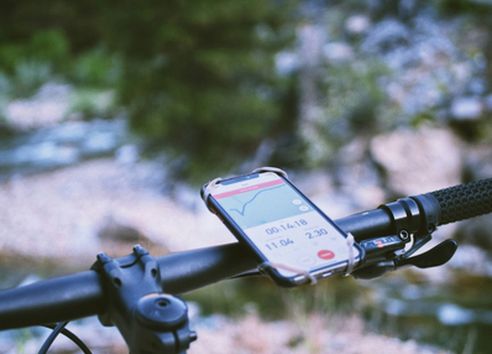
Strava* is best known for logging runs. But you don't need to be a runner to get something from it, and you don't need to be fit or competitive. Used well, it's a free tool for building a movement habit that lasts.
That matters, because being active is one of the most powerful things you can do to reduce your risk of breast cancer.
*Breast Cancer UK is not affiliated with Strava. We've chosen to feature it because it's a popular, free way to stay motivated.
What's the link between exercise and breast cancer?
Research shows that the most active people have around a 15% lower risk of breast cancer than the least active. Physical activity helps in several ways:
- Healthier hormone levels. Exercise can reduce oestrogen in the blood, so less is available to fuel cell growth.
- Better blood sugar and metabolism. It helps your body respond to insulin and may reduce the activity of IGF-1, a substance that encourages cells to grow and divide.
- Less inflammation. Regular movement helps calm chronic inflammation, which has been linked to breast cancer.
- Healthier body weight. This matters most after the menopause, when excess weight increases breast cancer risk.
Staying active after a diagnosis matters too. People who are most active are around 30–40% less likely to die from breast cancer.
You don't need to run a marathon. Adults should aim for at least 150 minutes of moderate activity a week (or 75 minutes of vigorous activity), plus muscle-strengthening exercise twice a week. Lighter activity counts too, and so does breaking up long periods of sitting.
The hard part is rarely knowing what to do. It's keeping it up. That's where Strava can help.
Why use Strava?
Strava is an app that records your activity and lets you share it with friends or keep it entirely to yourself. Three things make it useful for building a habit:
- Seeing your progress. Watching your weekly minutes add up is motivating, especially when you're starting out.
- Accountability. Friends can cheer you on. A little encouragement goes a long way.
- Community. Moving alongside other people makes it more fun, and much easier to stick with.
7 ways to use Strava beyond tracking your run.
1. Log everything, not just runs.
Strava records far more than running. You can log walks, cycles, swims, yoga, weight training, hikes, dance and more. That's useful because strength work and everyday movement counts too (including your walk to work).
2. Start with a walk.
Walking is one of the easiest activities to build in, and it works at every fitness level. Record a 10-minute walk today, then gradually stretch it out.
3. Join a club.
Strava clubs bring together people with something in common for example a local area or an age group. Find a walking group near you or a beginners' running club. It's a great way to meet people, and it makes turning up much easier.
4. Take on a challenge.
Challenges give you a goal to aim for, like being active on a certain number of days. Having something to work towards can be the push you need to get going. Pick something that feels achievable and build from there.
5. Team up with friends and family.
Follow the people you'd like to get moving with. Seeing a friend's morning walk pop up in your feed is surprisingly motivating, and it's a lovely way to stay connected with people who live far away.
6. Find new places to move.
Browsing the activities of friends is an easy way to discover new routes near you. Trying somewhere new keeps things fresh.
7. Stay safe and stay in control.
The Strava app lets you share your real-time location with trusted contacts while you're out, which is handy if you're heading out alone. Check your settings before you share anything. Some people use Strava purely as a private diary of their movement.
Tips for getting started.
- Speak to your GP first if you have health concerns.
- Start small and build up gradually.
- Choose activities you enjoy.
- Set a goal that feels realistic, then celebrate meeting it.
- Rest when you need to. Recovery is part of the process.
What else can I do to reduce my risk?
Exercise is one piece of the puzzle. Explore our website on diet, maintaining a healthy weight and alcohol.
Not sure where to start? Take our breast cancer Prevention Quiz for a personalised action plan. Prefer other apps? See our best free exercise apps.
Get active this Breast Cancer Awareness Month.
Every October, we put exercise at the heart of breast cancer prevention. Whether you're running or doing any other event, your effort helps fund our prevention research. Pick a challenge and get your free fundraising pack today. Click here to get started!
FAQs
Frequently asked questions about Strava
-
No. You can log walking, swimming, cycling, yoga, strength sessions and many other activities.
-
No. You can adjust your privacy settings, so your activities are visible only to you, or only to people you approve.
-
Staying active after a diagnosis is likely to benefit you but speak to your healthcare team before starting or changing an exercise routine, especially during or after treatment.
-
No. Breast cancer has many causes, and some are outside our control. But being active is one of the things you can do to reduce your risk, and it has wider benefits for your heart, mood and overall health.